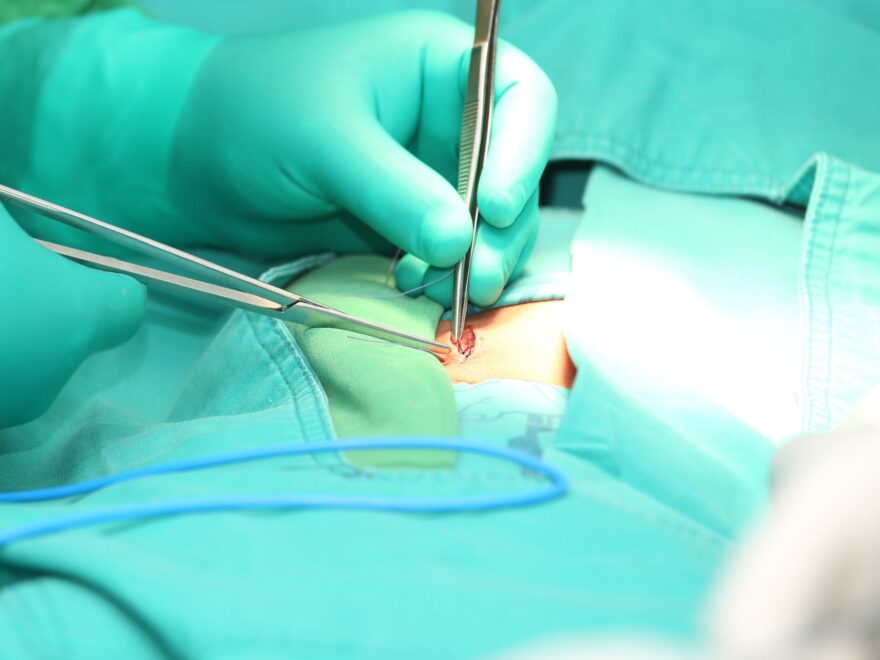
Hernia repair is among the most common operations performed, rarely goes wrong, and most people go home the same day. The harder question here comes next, and it is:
“What happens after? How much pain is normal? When are you going to be able to drive or return to work, and what should you avoid while tissues heal?”
Well, that’s why we made you a guide that will walk you through a typical recovery week by week. Timelines of your recovery can vary depending on the procedure and your circumstances, and here they are going to be discussed in general terms.
Whatever you read here comes second to what your surgeon’s instructions say, and they will always come first.
Why Recovery Timelines Vary
There is no single uniform schedule of what will be happening for hernia recovery.
The first thing that determines the schedule is the type of surgery that has been performed. The three main types of hernia surgery are open, laparoscopic (minimally invasive) and robotic repair.
Recovery depends on multiple factors, including the type of hernia and how complex the surgery is. Laparoscopic and robotic hernia surgery cause less scarring, usually involve fewer pain medications, and have a quicker recovery than open surgery, though there may be a slightly higher risk of the hernia returning with laparoscopic surgery.
Other factors include:
- Hernia size and location – A small umbilical hernia repair differs greatly from a large incisional hernia repair.
- Whether mesh was used and how extensive the repair was.
- Your health – Diabetes, obesity, smoking and chronic cough or constipation can slow healing or raise complication risk.
- Your job and daily demands – A desk worker and a warehouse worker will often get different guidance.
- Individual pain tolerance and healing rate.
A Danish study of inguinal hernia patients found that the median time off work was 7 days and the median time before the most rigorous physical activity was 14 days, while pain and wound problems were the main reasons people did not resume activity as recommended.
Use such figures as a general reference, not a promise of what will happen.
Day of Surgery and Days 1–3
What to expect?
Most hernia repair patients are released right after surgery. You spend time in a recovery area while sedation wears off, then go home with instructions.
You can expect soreness at the incision sites, fatigue from anesthesia, and possibly a little bit of nausea. With laparoscopic repair, some people feel shoulder or abdominal discomfort from the gas used to inflate the abdomen.
Pain
Pain is typically strongest in the first few days. Your surgeon may prescribe medication or recommend over-the-counter options. Of course, you will take them as prescribed and ask for more information before combining them.
Ice packs wrapped in cloth used for 20 minutes at a time may ease swelling and let some of the sting loose for a bit.
Movement
Walking short distances, even the day of surgery, is generally encouraged because it supports circulation and reduces the risk of blood clots and constipation.
Bowel Habits
Anesthesia and pain medication can cause constipation, and straining puts pressure on the healing tissue. Drink fluids, eat fiber, and ask your surgeon about laxatives.
Bruising and Swelling
Bruising around the surgical area is common. After groin hernia repair, swelling and discoloration can extend into the genital area. If you are unsure whether it is normal, call your doctor or schedule a check-up if you feel panicked.
Week 1
Pain
Pain will ease day by day. Many people reduce or stop prescription pain medication within several days, but depending on your pain tolerance and how much you get used to it, your own course may differ.
Wound Care
Follow your surgeon’s instructions on covering the wound and bathing. Many incisions are closed with dissolvable stitches, skin glue or adhesive strips that fall off on their own. That is why you need to be careful with how you touch the affected area.
It’s a good idea to keep the incision clean and dry, pat it dry after showers (with a clean towel) rather than rub it, and avoid soaking in baths or pools until cleared. Do not apply creams or ointments unless directed.
Contact your surgeon if you notice spreading redness, warmth, pus or foul-smelling drainage, a fever, wound edges that separate, pain that worsens rather than improves, or inability to urinate or pass stool.
Activity
Keep walking, increasing distance gradually. Of course, avoid lifting heavy objects at all cost, because muscle cramping will open the wound again. Avoid driving while taking opioid pain medication or when you can’t brake or turn comfortably.
Week 2
What to Expect
Many people feel noticeably better by this point and may return to desk-based work or light daily routines. A firm ridge along the incision is a normal part of healing, and mild tenderness persists.
Activity
Continue walking and household tasks as you usually do, but still avoid heavy lifting, strenuous exercise, and activities that strain the abdomen or groin. Just because you may feel better doesn’t mean your tissues are ready for tougher tasks, so ease up on yourself and be patient.
Fatigue
Tiredness can linger still at this point. Sleep and adequate nutrition, including protein, support tissue repair.
Weeks 3–4
What to expect
Pain should be mild or pretty rare for most people. Swelling and bruising largely should resolve. Some experience pulling or tightness when stretching or twisting, which is common because your healthy skin tissue is new and sensitive.
Activity
Surgeons often clear people for gradually increasing activity at this stage after minimally invasive repair, while those who had open or larger repairs may be kept on tighter restrictions.
Only your surgeon can tell you which applies and however you may feel, you need to listen to their instructions so everything can go smoothly as possible.
Seroma
Some people develop a seroma, a pocket of fluid under the incision, which can feel like a soft swelling. Small ones typically resolve on their own, but report any new swelling to your doctor.
Weeks 5–6 and Beyond
What to Expect
Many people with straightforward repairs feel close to normal by this point.
For larger, more complex repairs, such as big ventral or incisional hernias, recovery can run longer, sometimes months, so if you are one of those who had complex repairs, you should replace “weeks” in this guide with “months”.
Activity
This is often when surgeons will give their blessing to you to start heavier lifting and strenuous exercise, though the exact timing varies with the repair. If your surgeon cleared you earlier, you do not need to wait. If not, ask at your follow-up.
Our guide on when you can exercise after hernia surgery covers this in detail.
Lingering Sensations
Numbness, tingling, or a sense of tightness near the incision can persist for months as nerves heal. Persistent or worsening pain should be evaluated, as chronic post-surgical pain affects a minority of patients.
Factors That Support Healing
- Follow instructions precisely – This includes lifting limits, wound care and medication schedules. However you feel like may be deceiving, so listen to your doctor’s orders.
- Don’t smoke – Smoking impairs wound healing and raises complication risk.
- Manage constipation – Fiber, fluids and walking reduce straining.
- Support the abdomen when coughing or sneezing – Gently pressing a pillow or hand against the incision helps.
- Keep on follow-up appointments – They let your surgeon check healing and adjust restrictions.
Is Faster Return to Activity Safe?
Surgeons have moved away from the old practice of prolonged rest. A review in the BC Medical Journal notes that recommending extended rest has persisted despite research showing early return to activity has no detrimental effect.
But it also recommends tailoring advice to each patient’s usual work rather than using a one-size-fits-all approach. Even so, “as soon as comfortable” is not the same as “immediately”. Your surgeon’s judgment about your specific case is what matters the most.
When to Seek Emergency Care
Call emergency services or go to the nearest emergency department for severe or sudden abdominal pain, repeated vomiting, a rapidly swelling or discolored abdomen, chest pain, shortness of breath, or calf pain and swelling (possible blood clot).